
In our tech-driven world, reliable connectivity isnt a luxury its a lifeline. Whether you’re setting up a new office, upgrading an outdated system, or expanding a commercial facility, one foundational element quietly powers it all: structured cabling. Its not flashy, but without it, your businesss communications, data systems, security, and even Wi-Fi would fall apart.
If youre wondering what structured cabling really is and why you need a pro to install it, youre in the right place. This guide will walk you through the essentials what it is, why it matters, the risks of poor cabling, and what to look for when hiring an expert.
What Is Structured Cabling?

Structured cabling refers to a standardized approach to designing and installing a physical cabling infrastructure. Its the organized framework of cables, connectors, and devices that supports all your communications think voice, data, video, and even building automation systems like security and HVAC.
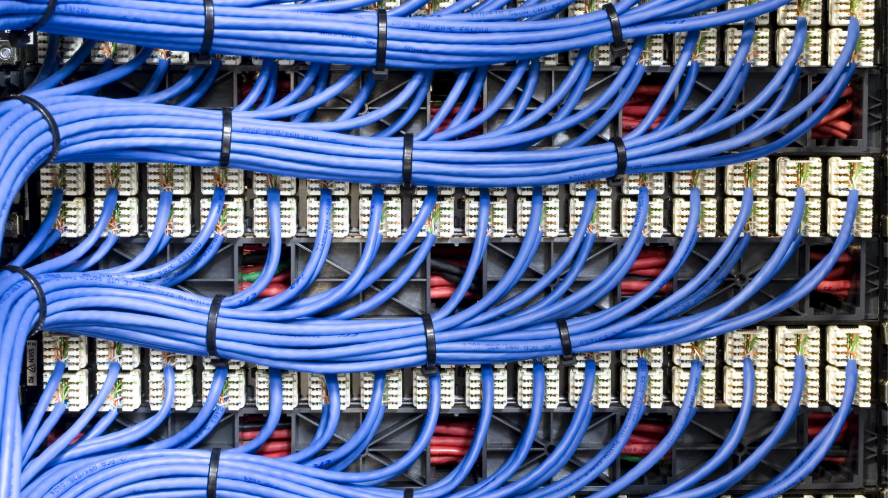
Unlike chaotic, spaghetti-like point-to-point wiring, structured cabling is neat, scalable, and purposefully designed. It allows multiple systems your computers, phones, Wi-Fi access points, security cameras, and more to connect and function efficiently through one streamlined infrastructure.
Think of it as the nervous system of your building. If its done right, everything works seamlessly. If its done wrong or not at all youre left with network issues, downtime, and expensive fixes later on.
Structured Cabling Solutions: The Six Core Components
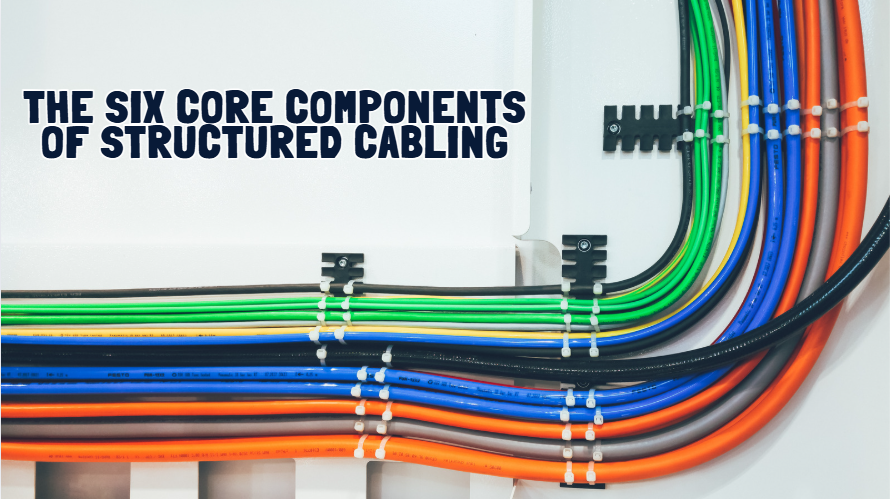
To understand structured cabling, it helps to break it down into its key components. These six parts form the backbone of a high-performance network:
1. Entrance Facilities
This is where your service providers network (internet, phone, etc.) connects with your internal network. It typically includes the cables, connecting hardware, and equipment that come into your building.
2. Equipment Room
This centralized location houses your main networking equipment servers, switches, routers, and patch panels. Its often climate-controlled and locked for security.
3. Backbone Cabling
Backbone cabling (also known as vertical cabling) connects different equipment rooms, telecom rooms, and entrance facilities throughout your building or across buildings. It often uses fiber optic or high-capacity copper cables to ensure fast, high-volume data transmission.
4. Telecommunications Room (TR)
Each floor or zone in your building usually has a telecom room where horizontal cables from work areas converge. These rooms act as distribution points.
5. Horizontal Cabling
This connects telecom rooms to individual outlets in work areas like desks, conference rooms, or break areas. Horizontal cables typically run inside walls, ceilings, or raised floors.
6. Work Area
Finally, the work area includes everything from wall jacks and patch cords to the devices they connect to phones, computers, printers, etc.
Each of these components is carefully designed and installed to meet industry standards (like TIA/EIA) and ensure optimal performance.
Why Structured Cabling Is Worth the Investment
Some business owners think cabling is just wires in the wall. But its much more than that its the platform on which your entire tech ecosystem operates. Heres why companies invest in professional structured cabling systems:
Scalability
Need to add more workstations? Deploy new access points? Expand into another floor? Structured cabling makes growth easy, without ripping out and redoing your whole network.
Performance & Reliability
A structured network reduces congestion, supports higher bandwidth, and maintains consistent performance even during high traffic.
Faster Troubleshooting
Because everything is organized and labeled, your IT team (or provider) can quickly isolate and fix issues without guesswork.
Aesthetics & Safety
Tidy cabling isnt just professional-looking it also improves airflow in server rooms and eliminates trip hazards or fire risks caused by messy wiring.
Future-Proofing
With tech constantly evolving (hello, Wi-Fi 6, IoT, and cloud-based systems), structured cabling ensures your infrastructure can keep up without a full overhaul.
What Kind of Systems Rely on Structured Cabling?
Structured cabling isnt just about computers and phones it powers a wide range of critical systems, including:
Security & Access Control
Surveillance cameras, card readers, and biometric access points all require reliable cabling for consistent power and data flow.
Distributed Antenna Systems (DAS)
DAS boosts cellular signals inside large buildings. These systems require backbone cabling and integration with your existing infrastructure.
Data Center Solutions
From server connectivity to power management, structured cabling is foundational to any efficient data center build.
Wi-Fi and Wireless Networks
Even wireless systems need wires. Access points connect to the network via horizontal cabling to ensure speed and coverage.
VoIP Phone Systems
Modern businesses run on internet-based phones. VoIP depends on stable, high-speed connections enabled by structured cabling.
What to Look For in a Structured Cabling Installer
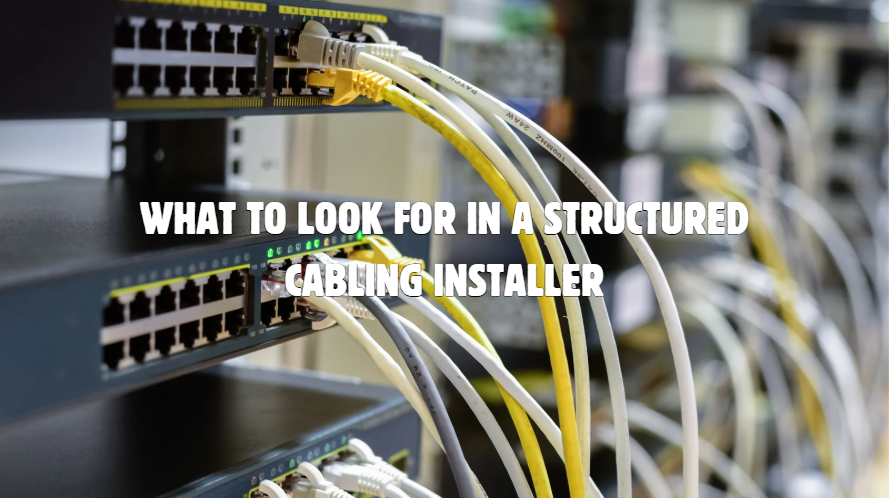
Choosing a cabling contractor is just as important as choosing the right system. Dont settle for the cheapest bid invest in a partner who understands the full picture.
Heres what to look for:
Certifications
Look for professionals with BICSI (Building Industry Consulting Services International) certification or RCDD (Registered Communications Distribution Designer) credentials. These indicate a high level of expertise in network design and cabling standards.
Understanding of Standards
A true pro will follow TIA/EIA and ANSI standards and install with future upgrades in mind.
Experience in System Integration
Choose an installer who understands how to integrate structured cabling with Wi-Fi, DAS, security systems, and data centers. Your cabling should support everything, not just basic internet.
Testing and Documentation
Top-tier contractors test every connection and provide documentation and labeling for future maintenance. Ask about certification reports and cable test results.
Post-Installation Support
Your relationship shouldnt end at installation. Ensure they offer support, repairs, or modifications down the line as your needs evolve.
Common Questions About Structured Cabling

Here are a few quick answers to the most frequently asked questions we hear from business owners:
Is structured cabling only for big companies?
No. Small and medium businesses benefit just as much especially as they grow or adopt cloud-based systems.
How long does installation take?
It depends on your facility size and complexity. A single-floor office might take a few days, while a large warehouse or multi-story building could take weeks.
What kind of cables are used?
Typically, Cat5e, Cat6, Cat6a, or fiber optic. The choice depends on speed requirements, distance, and future scalability.
Will structured cabling work with my existing Wi-Fi or DAS system?
Yes and ideally, it should enhance them. Structured cabling ensures your wireless infrastructure has solid, high-speed wired connections to back it up.
How long does a structured cabling system last?
Well-installed systems can last 1020 years or more, even as hardware and tech around it evolves.
Structured Cabling Is the Foundation of Smart Tech
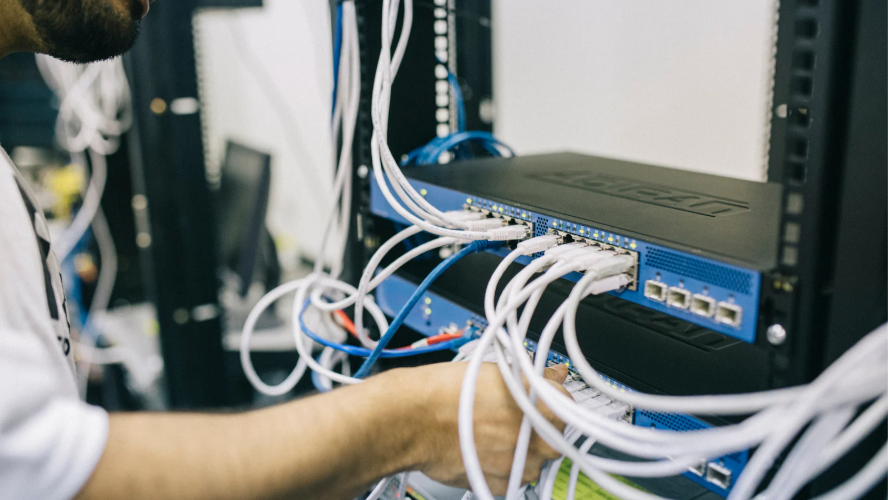
In today’s world, buildings arent just spaces theyre smart environments. And structured cabling is the quiet powerhouse behind:
- Smart conference rooms
- Cloud-based workstations
- Access control and badge systems
- VoIP calls and video conferencing
- Indoor positioning systems
- Wireless sensors and IoT devices
Without structured cabling, these systems struggle to work together. With it, your tech becomes a symphony not a mess of disconnected instruments.
Final Thoughts: Dont Skip the Backbone of Your Network
Structured cabling may be hidden behind walls and ceilings, but its impact is undeniable. Its the foundation of every fast, secure, and reliable network. Whether you’re expanding, upgrading, or building from scratch, structured cabling is the key to long-term performance, scalability, and future-ready connectivity.
At Efficient Low Voltage Solutions & System Integration, we dont just install cables we design complete systems that support your growth and evolving technology. If you’re ready to avoid costly mistakes and build smarter from the ground up, trust our team to deliver a structured cabling solution that works now and adapts later. Lets connect your business the right way.