In todays fast-paced business world, security is no longer optional its essential. From break-ins and vandalism to cyber threats, commercial buildings face increasingly sophisticated risks every day. Every business, whether its a retail store, office complex, or warehouse, has valuable assets, sensitive data, and employees that need protection.
Investing in reliable commercial building security systems is one of the most effective ways to safeguard your property, enhance workplace safety, and preserve your companys reputation. This article will guide you through the key security technologies every business owner should know, how to select the right solutions, and best practices for professional installation. By the end, youll have the knowledge to create a secure and resilient environment because your business deserves peace of mind.
Why Commercial Building Security Systems Are Important
Commercial security systems play a critical role in protecting businesses from physical and digital threats. Heres why every business owner should prioritize security:
1. Protect Physical Assets
Buildings, inventory, equipment, and cash are all vulnerable without adequate security measures. A robust system ensures that only authorized personnel can access sensitive areas, reducing the risk of theft or damage.
2. Safeguard Employees and Customers
Workplace safety is not just a legal requirement its a moral one. Security systems like surveillance cameras, controlled access points, and panic alarms help create a safe environment, reducing the likelihood of incidents that could harm staff or visitors.
3. Reduce Liability and Insurance Costs
Insurance providers often reward businesses with comprehensive security measures by offering lower premiums. A well-documented security system can also provide evidence in case of claims, limiting liability.
4. Deter Criminal Activity
The mere presence of cameras, alarms, and access control systems is often enough to discourage break-ins or vandalism. Intruders tend to target buildings with minimal security, so visibility is a strong deterrent.
5. Improve Operational Efficiency
Modern systems dont just protect they streamline operations. Access control logs, employee tracking, and remote monitoring allow business owners to manage operations efficiently while ensuring compliance with internal protocols.
Key Components of Commercial Building Security Systems
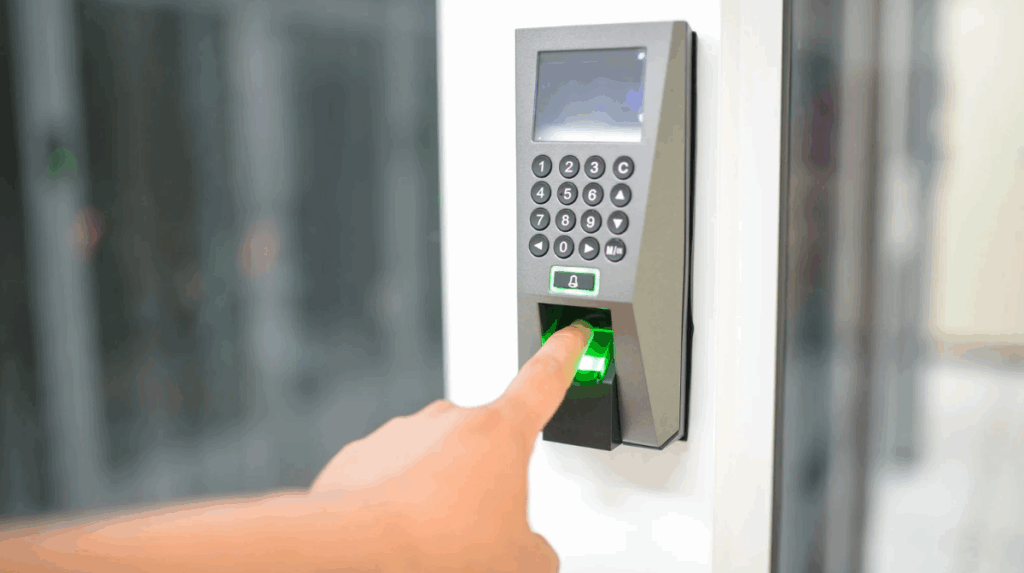
Understanding the components of a commercial security system helps business owners make informed decisions. The main components include:
1. Access Control Systems
Access control is the backbone of any security strategy. It regulates who can enter specific areas, at what times, and under what conditions. Common solutions include:
- Keycards and Fobs: Simple, reliable, and easy to manage for employees.
- Biometric Systems: Fingerprint or facial recognition provides higher security for sensitive areas.
- Mobile Credentials: Smartphone apps that replace traditional keys, allowing remote access management.
2. Surveillance Systems
Video monitoring deters criminal activity and provides crucial evidence in case of incidents. Features to consider:
- CCTV Cameras: Offer continuous monitoring of entrances, exits, and high-traffic areas.
- IP Cameras: Connect over the internet for remote viewing and cloud storage.
- Advanced Analytics: AI-powered cameras can detect unusual behavior, track movement, or alert to unauthorized presence.
3. Intrusion Detection Systems
Alarms and sensors detect unauthorized activity within the building. Key types include:
- Door and Window Sensors: Trigger alerts when openings are breached.
- Motion Detectors: Detect movement in restricted areas.
- Glass Break Sensors: Ideal for retail spaces and areas with large windows.
4. Environmental Monitoring
Protecting your business extends beyond theft. Environmental hazards can disrupt operations:
- Fire and Smoke Alarms: Early detection can prevent major losses.
- Flood and Water Sensors: Particularly useful in basements, storage areas, or locations prone to leaks.
- Temperature and Humidity Monitors: Protect sensitive equipment, products, or records from environmental damage.
5. Cybersecurity Integration
Modern security systems are increasingly connected to networks and the internet. While this offers convenience, it also introduces risks:
- Networked Security Devices: Require secure configurations to prevent hacking.
- IoT Security: Ensure that all connected devices, from cameras to access points, follow cybersecurity best practices.
By combining these components, businesses create layered protection that addresses both physical and digital threats.
Considerations for Choosing the Right Security System
Choosing the right commercial building security systems requires balancing security needs, budget, and long-term value. Here are key factors to consider:
1. Business Size and Layout
The scale of your building and its layout directly influence the type of system required. Large facilities may need multiple access zones, high-resolution cameras, and networked monitoring, while small offices might only need a few cameras and a keycard system.
2. Risk Profile and Threat Level
Evaluate your business environment:
- High-crime areas may require advanced surveillance, biometric access, and 24/7 monitoring.
- Retail spaces with valuable inventory might need anti-theft alarms and smart cameras.
3. Integration with Existing Technology
Modern systems can integrate with your existing IT infrastructure, security software, and even smart building systems. This ensures centralized control and reduces complexity.
4. Budget vs. Long-Term Value
While high-end systems are more expensive upfront, they often save money in the long run by reducing losses, insurance premiums, and downtime. Consider both initial costs and ongoing maintenance.
5. Scalability and Future-Proofing
Choose a system that can grow with your business. Modular systems allow you to add cameras, sensors, or access points without replacing the entire setup.
6. Regulatory and Compliance Requirements
Some industries, like healthcare or finance, have strict regulations regarding data protection and building access. Ensure your security system meets these standards to avoid penalties.
Planning a Commercial Building Security Systems Installation

A successful installation begins with careful planning. Steps include:
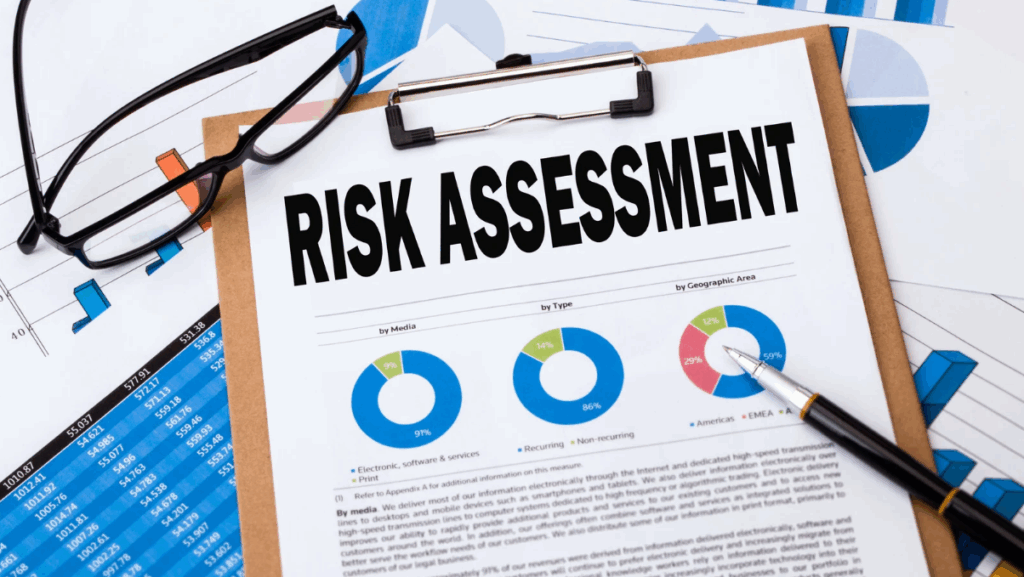
1. Conduct a Security Audit and Risk Assessment
Identify vulnerable areas, employee movement patterns, and high-value assets. This assessment guides the choice of devices, placement, and monitoring needs.
2. Design System Layout and Coverage Zones
Plan where cameras, sensors, and access points will be installed. Ensure all critical areas are monitored while avoiding unnecessary redundancy.
3. Hardware and Software Selection
Select devices that are compatible, reliable, and scalable. Consider factors such as video resolution, alarm response times, and integration with mobile or cloud systems.
4. Installation Timeline and Minimizing Disruption
Coordinate installations during off-hours if possible to minimize disruption to business operations. A well-organized schedule ensures smooth deployment without affecting productivity.
5. Testing, Training, and Ongoing Maintenance
After installation, rigorously test every component to ensure functionality. Train staff on access control, alarm response, and reporting procedures. Schedule regular maintenance to prevent failures and prolong system lifespan.
Which Industries Gain the Most from Commercial Security Systems
While all businesses can benefit from enhanced security, certain industries face higher risks or stricter compliance requirements. Understanding which industries gain the most from commercial building security systems helps business owners prioritize solutions effectively.
1. Retail
Retail businesses handle large volumes of inventory and cash daily, making them prime targets for theft, shoplifting, and vandalism. Security cameras, point-of-sale monitoring, and access control for stockrooms protect both assets and staff. Advanced analytics can even detect suspicious behavior before it escalates.
2. Healthcare Facilities
Hospitals, clinics, and laboratories must protect patient records, medications, and medical equipment. Regulatory requirements such as HIPAA also mandate strict access control and data protection. Surveillance systems, controlled access to sensitive areas, and alarm monitoring help ensure compliance and safety.
3. Financial Institutions
Banks, credit unions, and investment offices manage significant cash and sensitive financial information. Security systems such as biometric access, high-definition cameras, motion detectors, and alarm systems reduce the risk of robberies, fraud, and data breaches.
4. Warehousing and Logistics
Warehouses and distribution centers store large inventories, making them vulnerable to theft, tampering, and employee misconduct. Access control, perimeter surveillance, and environmental monitoring (for fire or temperature-sensitive goods) are essential for safeguarding operations.
5. Educational Institutions
Schools, colleges, and universities must protect students, staff, and valuable assets like computers and lab equipment. Security cameras, visitor management systems, and controlled access to certain buildings or classrooms ensure a safe learning environment.
6. Office Buildings and Corporate Campuses
Corporate facilities house employees, sensitive information, and expensive equipment. Security systems help manage visitor access, monitor communal areas, and prevent unauthorized entry to confidential spaces. Integration with cybersecurity measures also protects intellectual property.
7. Hospitality and Entertainment
Hotels, restaurants, and entertainment venues experience high foot traffic, requiring a balance between security and guest experience. CCTV, access control for staff areas, and intrusion detection systems help maintain safety without disrupting operations.
In essence, almost every industry benefits from security measures tailored to its unique risks and regulatory obligations. By identifying specific vulnerabilities and potential threats, business owners can design a security system that maximizes protection while enhancing operational efficiency.
Partnering with Security Professionals

While DIY systems are available, partnering with certified security providers offers significant advantages:
1. Expertise and Custom Solutions
Professional companies assess your unique needs, design a system that fits your layout, and recommend the best technology for your risk profile.
2. Reliability and Support
Certified providers offer installation, ongoing maintenance, and monitoring services. This reduces downtime, ensures proper operation, and provides peace of mind.
3. Compliance and Certifications
Professionals understand regulatory requirements and can ensure your system meets local, state, and industry standards.
4. Upgrades and Scalability
A reliable partner helps you future-proof your system. As your business grows or technology evolves, they can upgrade components without disrupting operations.
5. Cost-Effectiveness
While hiring professionals may seem costly initially, the investment often saves money by preventing losses, reducing insurance premiums, and extending system lifespan.
Choosing the right security partner ensures your business is protected by the latest technology, installed correctly, and maintained for optimal performance.
Securing Your Business Starts Today
Securing your commercial building is no longer optional its essential. From protecting physical assets and employees to safeguarding sensitive information, a robust security system provides peace of mind and operational efficiency. Understanding the key components of commercial security access control, surveillance, intrusion detection, environmental monitoring, and cybersecurity empowers business owners to make informed decisions. Considering your risk profile, business size, and future needs ensures the system you choose delivers long-term value, while careful planning and professional installation maximize effectiveness.
Partnering with certified security providers like Efficient Low Voltage Solutions & System Integration in Columbus, Ohio, takes the guesswork out of protecting your business. Our team specializes in designing and installing comprehensive commercial security and access control systems, including advanced surveillance cameras, access management solutions, intrusion detection, and ongoing maintenance. By providing customized solutions that safeguard assets and streamline operations, we help business owners focus on growth with confidence. Contact us at 614-394-6233 to take the next step toward securing your business today.
Related Resources
Retail Specific Security Considerations
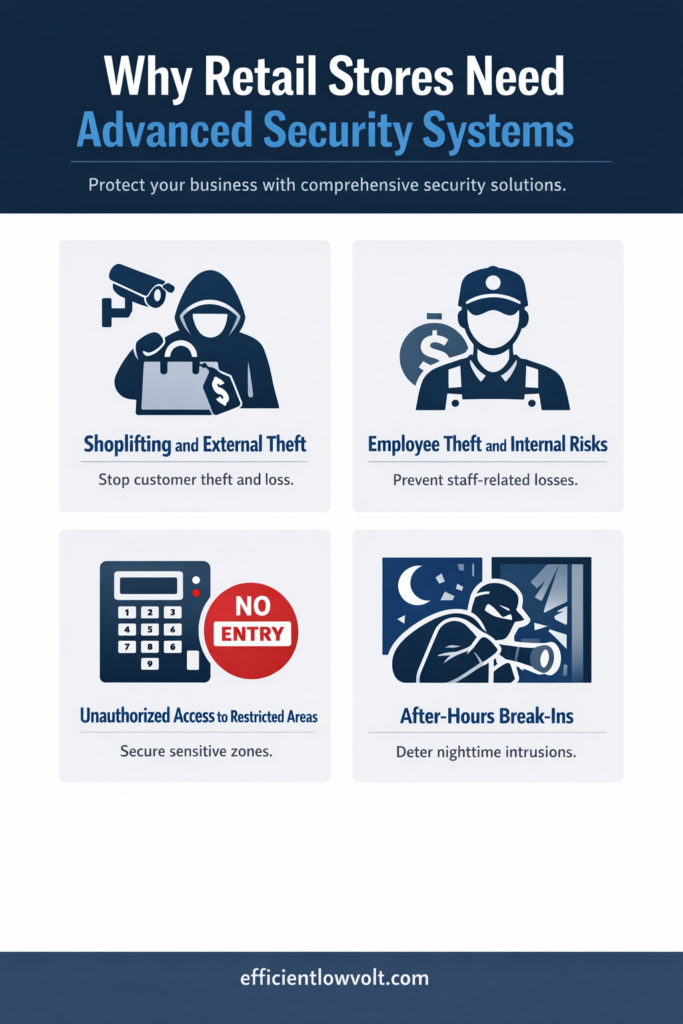
Retail businesses face a unique set of security challenges. From shoplifting and employee theft to unauthorized access and after-hours break-ins, store owners must constantly think about how to protect their merchandise, staff, and customers. Whether you operate a small boutique or manage a large retail chain, having the right security measures in place is essential for maintaining a safe and successful business.
Modern retail security systems go far beyond simple locks and alarms. Todays solutions combine advanced surveillance technology, access control, and smart monitoring tools to create a comprehensive security strategy that protects every aspect of your store. Understanding how these systems work and why they matter can help business owners make informed decisions that reduce risk and improve overall store operations.
Why Retail Stores Need Advanced Security Systems
Retail stores are highly attractive targets for theft because they contain valuable merchandise and often have constant customer traffic. Without proper security measures, businesses may experience losses that impact profitability and long-term growth.
1. Shoplifting and External Theft
Shoplifting remains one of the most common challenges for retailers. Individuals may attempt to conceal merchandise or leave the store without paying. Over time, even small incidents can lead to significant financial losses.
Retail security systems help deter shoplifters by increasing visibility and accountability within the store. Surveillance cameras and monitoring systems make it clear that activity is being recorded, which discourages potential theft.
2. Employee Theft and Internal Risks
While external theft is a concern, internal theft can also affect retail businesses. Employees may have access to cash registers, inventory rooms, and sensitive areas, making it important to implement proper access control and monitoring.
Security systems help reduce internal risks by tracking activity and limiting access to authorized personnel. When employees know that systems are in place, they are more likely to follow proper procedures.
3. Unauthorized Access to Restricted Areas
Stockrooms, offices, and storage areas often contain valuable inventory or confidential information. Without access control systems, unauthorized individuals may enter these areas without permission.
Retail security solutions allow business owners to restrict entry using keycards, biometric scanners, or access codes. This ensures that only approved staff members can access sensitive areas.
4. After-Hours Break-Ins
Retail stores are especially vulnerable when the business is closed. Criminals may target locations during the night or early morning when there are fewer people around.
Security systems that include alarms, cameras, and remote monitoring can alert owners or security personnel if suspicious activity occurs after hours.
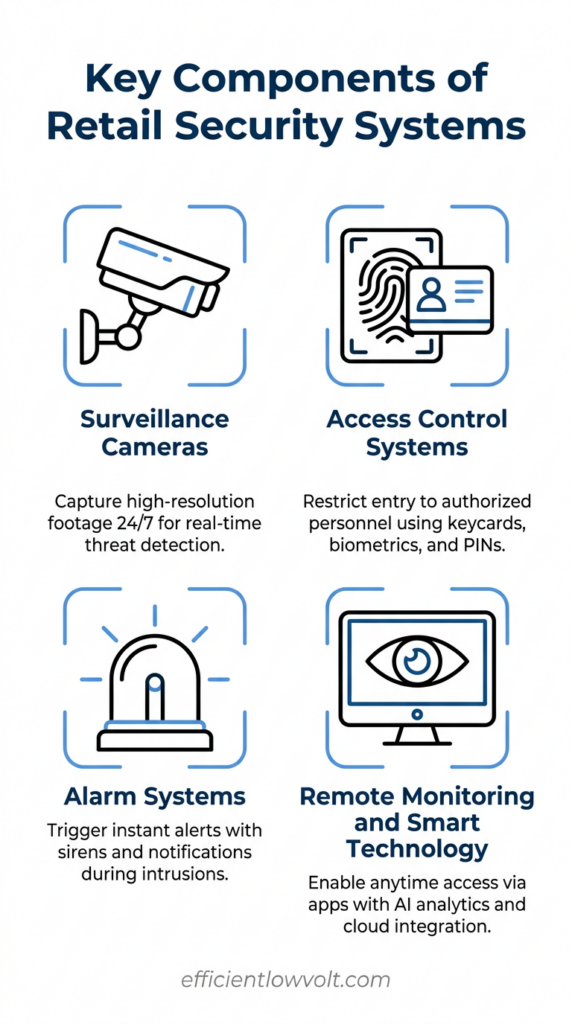
Key Components of Retail Security Systems
A comprehensive retail security system typically combines several technologies that work together to protect the store environment. These components create multiple layers of protection that reduce the chances of theft or unauthorized access.
Surveillance Cameras
Video surveillance is one of the most important elements of any retail security system. Cameras allow store owners to monitor activity in real time and review recorded footage if an incident occurs.
Common camera placements include:
- Store entrances and exits
- Checkout counters
- High-value merchandise displays
- Stockrooms and storage areas
- Parking lots and exterior areas
Modern surveillance systems often provide high-definition video and remote viewing capabilities, allowing business owners to monitor their stores from smartphones or computers.
Access Control Systems
Access control systems regulate who can enter specific areas of a retail store. Instead of relying solely on traditional keys, these systems use electronic methods to grant or restrict access.
Examples of access control technology include:
- Keycard or key fob entry systems
- Biometric authentication such as fingerprint scanners
- PIN code access panels
- Mobile-based access systems
By controlling access to restricted areas, retailers can better protect inventory, financial records, and employee workspaces.
Alarm Systems
Alarm systems provide an additional layer of security by alerting business owners or monitoring services when suspicious activity occurs. These systems can detect unauthorized entry, broken windows, or forced doors.
When an alarm is triggered, notifications can be sent immediately to the owner, security personnel, or local authorities. This rapid response helps prevent theft or property damage.
Remote Monitoring and Smart Technology
Many modern retail security systems include remote monitoring features that allow business owners to check on their stores from anywhere. Using a smartphone or computer, they can:
- View live camera feeds
- Review recorded footage
- Receive security alerts
- Monitor access logs
Smart technology provides convenience and peace of mind, especially for owners who manage multiple locations.
Benefits of Retail Security Systems for Store Owners
Implementing a reliable retail security system provides more than just protection against theft. It also improves operational efficiency and creates a safer environment for employees and customers.
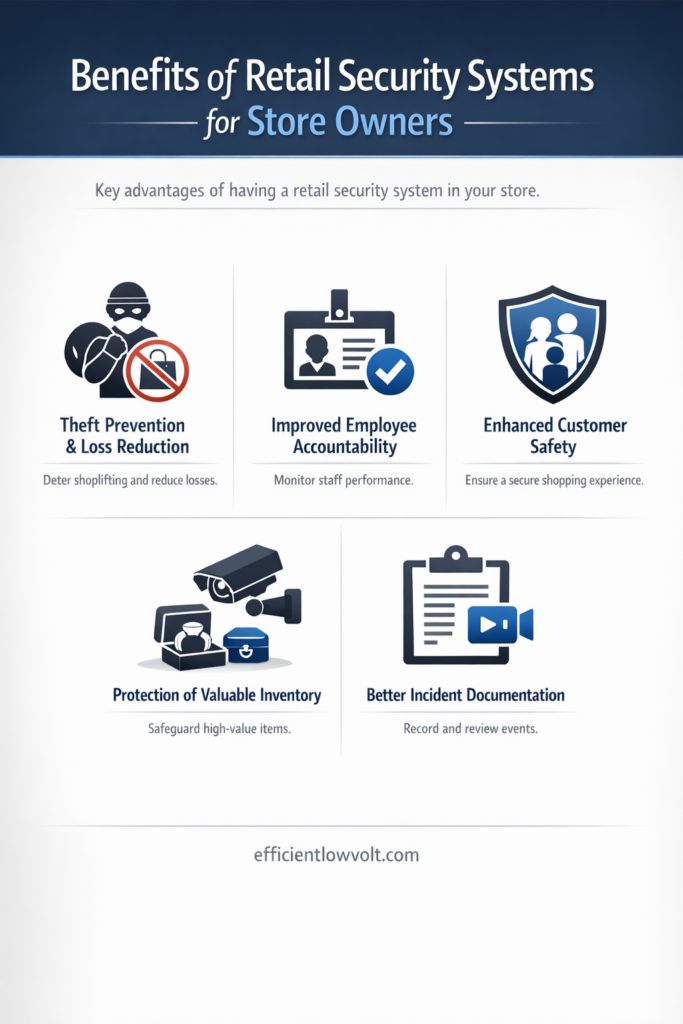
1. Theft Prevention and Loss Reduction
Visible security systems discourage criminal activity. When individuals see cameras and controlled entry points, they are less likely to attempt theft. This helps reduce shrinkage and protect the store???s bottom line.
2. Improved Employee Accountability
Security systems encourage employees to follow company policies and procedures. Monitoring tools provide transparency and help managers ensure that operations are running smoothly.
3. Enhanced Customer Safety
Customers feel more comfortable shopping in environments where security measures are clearly in place. A safe and secure retail space helps build trust and improves the overall shopping experience.
4. Protection of Valuable Inventory
Retail stores often carry expensive or high-demand products. Security systems help protect these assets by monitoring displays, storage areas, and points of sale.
5. Better Incident Documentation
If a dispute or security incident occurs, recorded footage and access logs provide valuable documentation. This information can help resolve conflicts, support investigations, and provide evidence if needed.
Security Considerations for Small Retail Stores
Small retail businesses may assume that advanced security systems are only necessary for large corporations, but this is not the case. Smaller stores can also benefit greatly from implementing effective security solutions.
For small retailers, the focus is often on cost-effective systems that provide strong protection without unnecessary complexity.
Important considerations for small stores include:
- Installing surveillance cameras in key locations
- Using alarm systems for after-hours protection
- Securing storage areas with simple access control systems
- Monitoring entrances and exits
Even a modest security system can significantly reduce the risk of theft and improve store management.
Security Considerations for Large Retail Stores
Large retail stores, department stores, and multi-location businesses require more advanced security solutions. These environments often have larger inventories, more employees, and higher customer traffic.
Key security priorities for larger retailers include:
- Comprehensive surveillance coverage across large floor areas
- Integrated access control for multiple restricted zones
- Advanced monitoring systems with centralized management
- Scalable security infrastructure for multiple locations
Large retailers may also benefit from systems that integrate security data across several stores, allowing managers to oversee operations more efficiently.
How to Choose the Right Retail Security System
Selecting the right retail security system depends on several factors, including store size, layout, and operational needs. Business owners should evaluate their specific security challenges before choosing a solution.
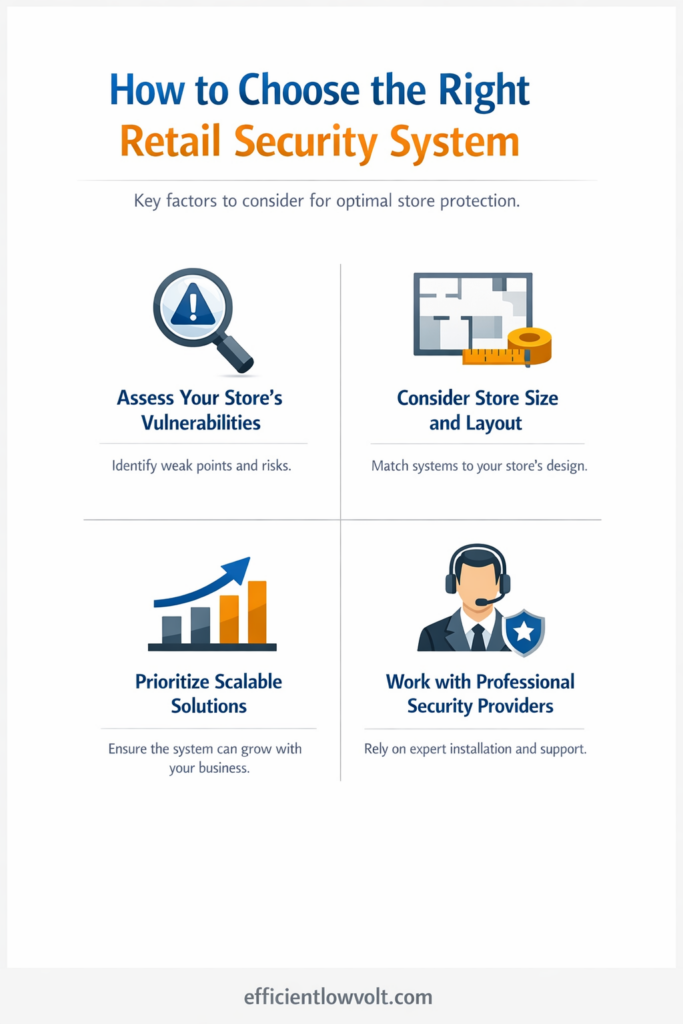
1. Assess Your Store???s Vulnerabilities
Start by identifying areas where theft or unauthorized access is most likely to occur. Common risk areas include entrances, checkout counters, and storage rooms.
Understanding these vulnerabilities helps determine where cameras, alarms, and access control systems should be installed.
2. Consider Store Size and Layout
A small retail shop may require only a few cameras and basic access control features, while larger stores may need extensive coverage and multiple security layers.
The layout of the store also influences camera placement and monitoring strategies.
3. Prioritize Scalable Solutions
As a retail business grows, security needs may change. Choosing scalable systems allows owners to expand their security infrastructure without replacing existing equipment.
Scalable solutions are particularly useful for businesses planning to open additional locations.
4. Work with Professional Security Providers
Professional security providers can assess your store???s environment and recommend solutions that meet your specific needs. Expert installation ensures that systems are configured correctly and provide maximum protection.
Working with experienced technicians also ensures that security systems remain reliable and up to date.
The Role of Integrated Security Solutions
Many modern retail businesses benefit from integrated security systems that combine surveillance, access control, and alarm monitoring into a single platform. Integration allows store owners to manage security operations more efficiently.
Benefits of integrated systems include:
- Centralized control of all security components
- Simplified monitoring and reporting
- Faster response to incidents
- Improved coordination between security technologies
An integrated approach helps create a comprehensive security strategy that protects every aspect of the retail environment.
How Professionals Can Help
Implementing the right retail security system often requires expert guidance. Security professionals can assess your store, identify vulnerabilities, and design a solution that fits your unique needs.
They can help by:
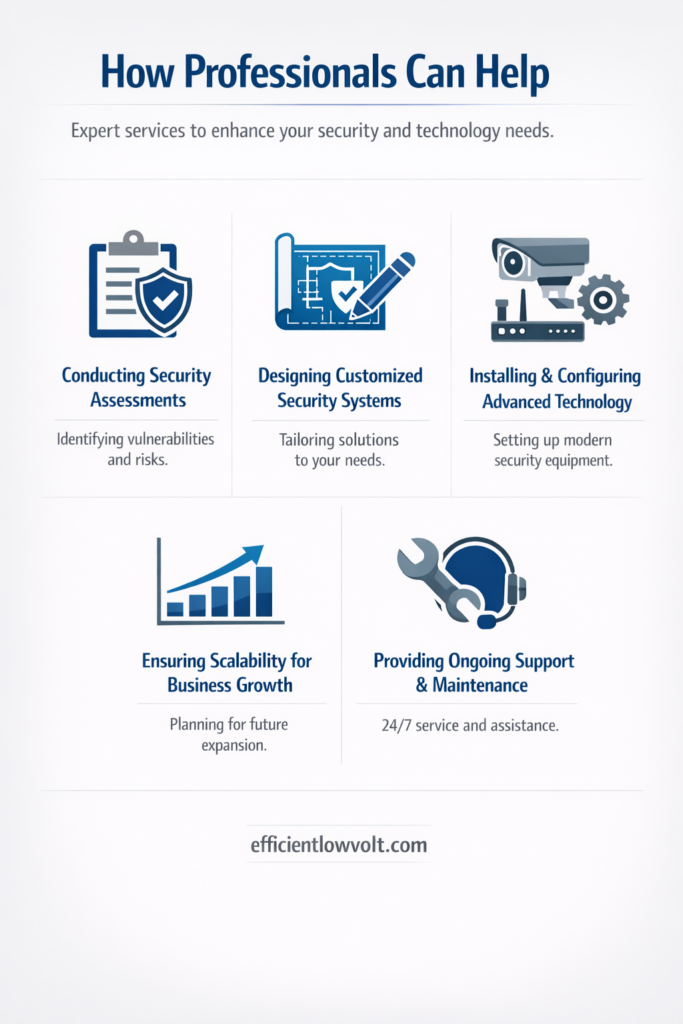
1. Conducting Security Assessments
Experts evaluate entrances, exits, inventory areas, and high-traffic locations to determine where security equipment should be placed. Proper camera positioning and access control installation are essential for effective monitoring.
2. Designing Customized Security Systems
Every retail business operates differently. Security professionals design systems tailored to the specific needs of each store, ensuring that the technology supports daily operations without creating unnecessary complexity.
3. Installing and Configuring Advanced Technology
Professional installation ensures that surveillance cameras, access control systems, and alarms are set up correctly. This improves reliability and ensures that security systems function as intended.
4. Ensuring Scalability for Business Growth
As retail businesses expand, their security needs may evolve. Professionals can design scalable systems that allow additional cameras, access points, or monitoring tools to be added as the business grows.
5. Providing Ongoing Support and Maintenance
Security technology requires regular updates and maintenance to remain effective. Professional providers offer ongoing support to ensure that systems continue operating at optimal performance.
A Smarter Approach to Retail Security
Retail security systems are essential for protecting merchandise, employees, and customers in today???s fast-paced business environment. Whether you operate a small boutique or manage a large retail chain, implementing the right combination of surveillance cameras, access control systems, alarm monitoring, and integrated security tools can significantly reduce risks and improve operational efficiency.
This guide provides a helpful overview of how retail security systems work and why they matter for businesses of all sizes. However, choosing the right solution and implementing it effectively often requires the expertise of experienced professionals.
By partnering with a trusted security provider like Efficient Low Voltage Solutions & System Integration, retail business owners can gain access to advanced Security & Access Control Solutions designed specifically for commercial environments. Their team works closely with businesses to assess security needs, design customized systems, and install scalable solutions that grow with your store.