
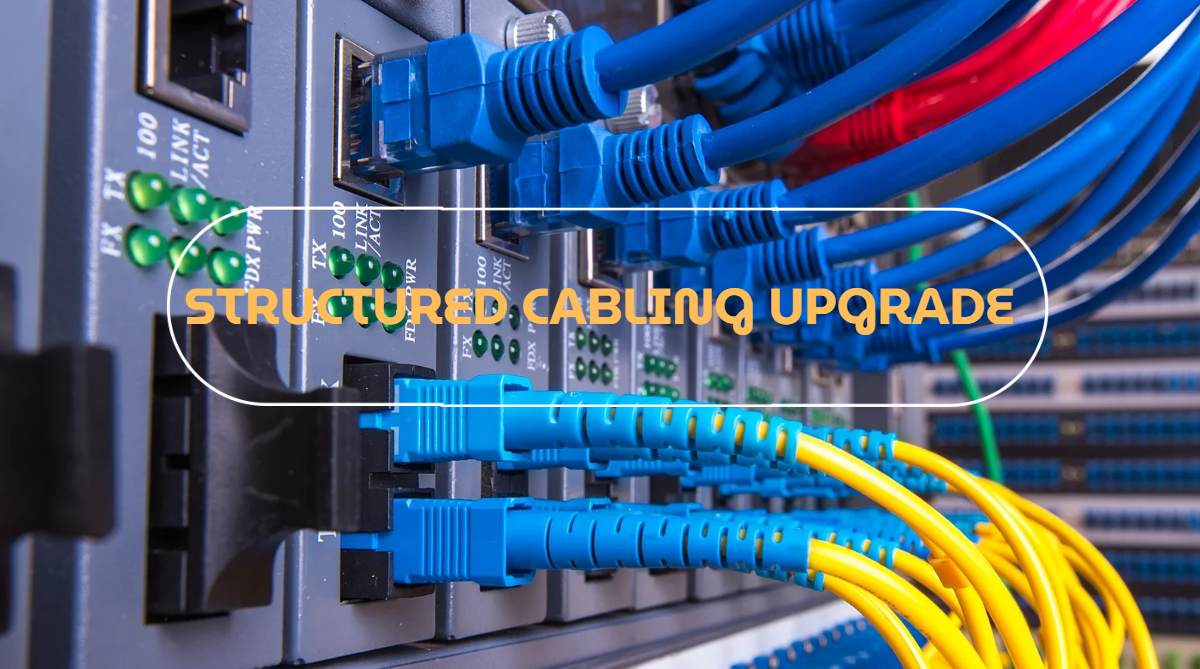
In today’s fast-paced business world, a reliable network isn’t just a convenience—it’s the backbone of your operations. From video conferences to cloud applications and VoIP systems, almost every aspect of business depends on seamless connectivity. But what if your network is holding you back? Often, the culprit isn’t your devices or software—it’s your cabling.
A structured cabling system may seem invisible, hidden behind walls or under floors, but it determines network performance, reliability, and scalability. Outdated or disorganized cabling can lead to slow data transfer, frequent downtime, and expensive repairs.
This guide highlights 10 clear signs your business needs a structured cabling upgrade sooner than you think, helping you protect productivity, reduce costs, and future-proof your IT infrastructure.
The Essentials of Structured Cabling for Your Business
Structured cabling is an organized approach to designing and installing a network’s cabling infrastructure. It includes cables, patch panels, racks, connectors, and other hardware arranged in a systematic way. Unlike ad-hoc cabling—where wires are added haphazardly as needed—structured cabling is standardized, scalable, and easy to manage.
Businesses of all sizes benefit from structured cabling. It simplifies troubleshooting, improves network performance, and ensures your infrastructure can handle current and future technology demands. In short, structured cabling is the backbone of a modern, efficient network.
Why a Structured Cabling Upgrade Matters
A structured cabling upgrade is more than just replacing old wires—it’s an investment in reliability, productivity, and long-term savings. Key benefits include:
- Improved Network Speed and Reliability: Modern cabling supports higher data transfer rates and reduces network interruptions.
- Easier Maintenance and Scalability: Organized cabling simplifies troubleshooting and allows you to expand your network without chaos.
- Support for Modern Technologies: VoIP, cloud computing, Wi-Fi 6/7, and video conferencing all demand reliable, high-speed cabling.
- Reduced Downtime and Long-Term Costs: Fewer outages and repairs save money and protect business operations.
By upgrading your structured cabling, you’re preparing your business for today’s demands and tomorrow’s innovations.
10 Clear Signs Your Business Needs a Structured Cabling Upgrade
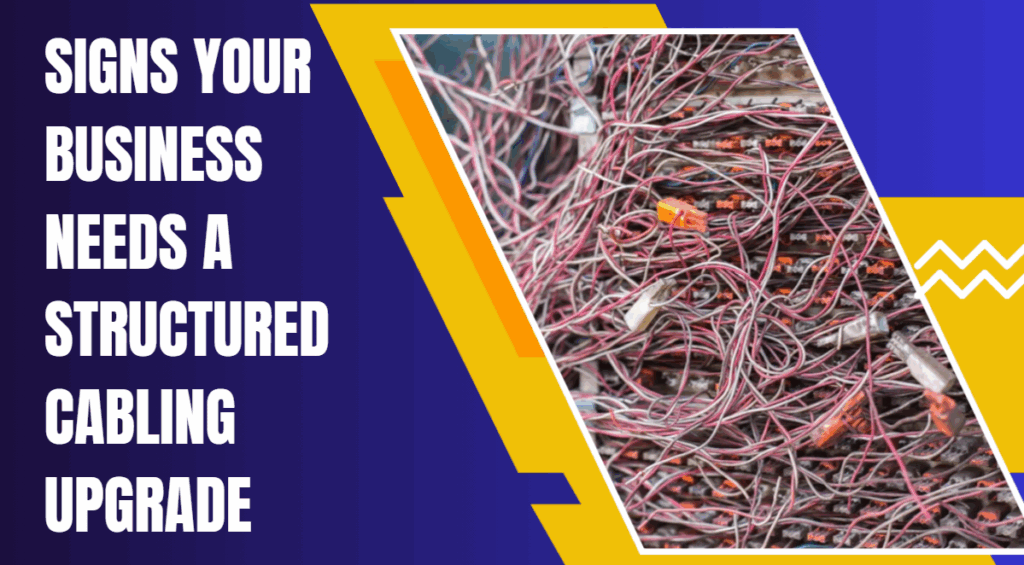
A strong, reliable network is essential for smooth business operations, yet many companies overlook the impact of outdated or disorganized cabling. Ignoring your structured cabling can lead to slow connectivity, frequent downtime, and costly disruptions that hinder growth and productivity.
1. Frequent Network Downtime and Connectivity Issues
If your team complains about slow file transfers, dropped calls, or failed video conferences, your cabling may be the issue. Old, damaged, or improperly installed cables can disrupt connectivity and cause repeated downtime. Frequent network interruptions aren’t just frustrating—they directly affect productivity and client satisfaction.
A professional structured cabling company can assess your system and replace outdated or faulty components, restoring consistent network performance.
2. Increased Business Growth or Expansion Plans
Growing businesses place additional demands on network infrastructure. Adding new employees, offices, or floors can overwhelm an outdated system. A structured cabling upgrade ensures your network is scalable and can handle expansion without sacrificing performance.
Planning ahead allows your IT infrastructure to grow seamlessly alongside your business, avoiding costly and disruptive emergency fixes.
3. Outdated Technology and Equipment
Many businesses still rely on older cabling standards like CAT5 or CAT5e. While these may have been sufficient in the past, modern networks require higher bandwidth and faster speeds. Upgrading to CAT6, CAT6a, or CAT7 cables can dramatically improve network performance and support advanced technologies.
Using outdated cables limits your system’s potential, even if you’ve upgraded other devices like routers or switches.
4. Difficulty Troubleshooting Network Problems
Messy, unorganized cabling makes network troubleshooting a nightmare. IT teams spend excessive time tracing cables, identifying errors, and testing connections. Structured cabling, with labeled and organized cables, allows faster diagnosis and resolution of issues, reducing downtime and frustration.
Investing in structured cabling simplifies maintenance, saves technician hours, and improves overall network reliability.
5. Poor Network Performance Despite Upgraded Devices
If you’ve upgraded routers, switches, or servers but still experience slow connectivity, high latency, or lagging Wi-Fi, the problem may lie in your cabling. Old or inadequate cables create bottlenecks that modern devices cannot overcome.
A structured cabling upgrade ensures that all hardware can operate at full capacity, maximizing the return on your technology investments.
6. Safety Hazards in Your Cabling Setup

Disorganized or exposed cabling isn’t just inconvenient—it’s a safety hazard. Loose wires create tripping risks, violate electrical codes, and even increase fire hazards. Properly installed structured cabling minimizes these risks, ensuring compliance with safety standards and protecting your employees.
Professional installation not only improves network performance but also creates a safer work environment.
7. Frequent Changes to Office Layout or Equipment
Offices aren’t static. Desk rearrangements, new conference rooms, and additional devices require flexible network infrastructure. Unstructured cabling struggles to keep up, causing downtime and unnecessary labor costs.
Structured cabling allows easy reconfiguration, ensuring your network adapts quickly to changing business needs without disruption.
8. Need for Improved Security and Compliance
Modern cabling supports advanced security measures such as network monitoring, encryption, and adherence to compliance standards like HIPAA or PCI. Old or disorganized cabling can expose your business to data breaches and regulatory risks.
Upgrading your structured cabling protects sensitive information, ensures compliance, and strengthens your overall network security.
9. Rising IT Maintenance Costs
Frequent repairs, temporary fixes, and recurring downtime add significant costs over time. Structured cabling reduces maintenance needs by creating a reliable, organized system. Less time troubleshooting, fewer repairs, and minimal emergency interventions translate to cost savings and increased efficiency.
A professional cabling company can provide long-term solutions that reduce both expenses and operational headaches.
10. Preparing for Future Technologies
Emerging technologies like Wi-Fi 7, 5G integration, and IoT devices demand a robust, high-speed network. Outdated cabling can’t support these innovations, limiting your business’s ability to leverage cutting-edge technology.
A structured cabling upgrade ensures your network is future-ready, scalable, and compatible with next-generation IT solutions, protecting your investment for years to come.
How to Approach a Structured Cabling Upgrade

Upgrading structured cabling is more than swapping wires. It requires a strategic approach:
- Assessment: Start by evaluating your current network performance, identifying any bottlenecks, outdated equipment, and potential risks. This step also includes understanding your business’s future growth plans to ensure the cabling infrastructure can support expansion without disruption.
- Design: Develop a detailed cabling layout, including cable types, routes, and patch panel organization, to optimize both performance and accessibility. A well-thought-out design also ensures your network can adapt easily to new technologies and office reconfigurations.
- Installation: Work with professional technicians to implement the cabling according to the approved design, ensuring it is organized, secure, and compliant with industry standards. Proper installation minimizes the risk of future failures and creates a system that is easier to maintain and troubleshoot.
- Testing: Once installed, rigorously test all connections to verify they meet performance standards for speed, reliability, and data integrity. Testing also helps identify any installation issues early, preventing costly downtime or network disruptions later.
- Maintenance Plan: Establish a structured plan for ongoing monitoring, troubleshooting, and scaling as your business grows. Regular maintenance ensures the cabling remains efficient, safe, and capable of supporting evolving technology needs.
Partnering with an experienced structured cabling company guarantees a smooth and efficient upgrade while maximizing your return on investment. Their expertise ensures the project is completed correctly the first time, reducing downtime, avoiding costly mistakes, and providing a network infrastructure built to last.
Benefits of a Structured Cabling Upgrade

Upgrading structured cabling offers measurable benefits:
- Faster, more reliable network connections.
- Reduced downtime and maintenance costs.
- Safer, compliant workspace.
- Scalable infrastructure to support growth.
- Better productivity and employee satisfaction.
Investing in structured cabling isn’t just a technical upgrade—it’s a strategic business decision.
Conclusion
Delaying a structured cabling upgrade can cost your business valuable time, productivity, and money in maintenance and repairs. Frequent connectivity issues, outdated equipment, office expansions, and the need to support future technologies are clear signs that it’s time to take action.
By partnering with Efficient Lowvolt Solutions, a trusted structured cabling company, you can enhance network reliability, boost efficiency, and future-proof your IT infrastructure. Don’t wait for network problems to disrupt your operations—schedule an assessment today and ensure your business is ready for seamless growth and technological advancement. Contact Us.