
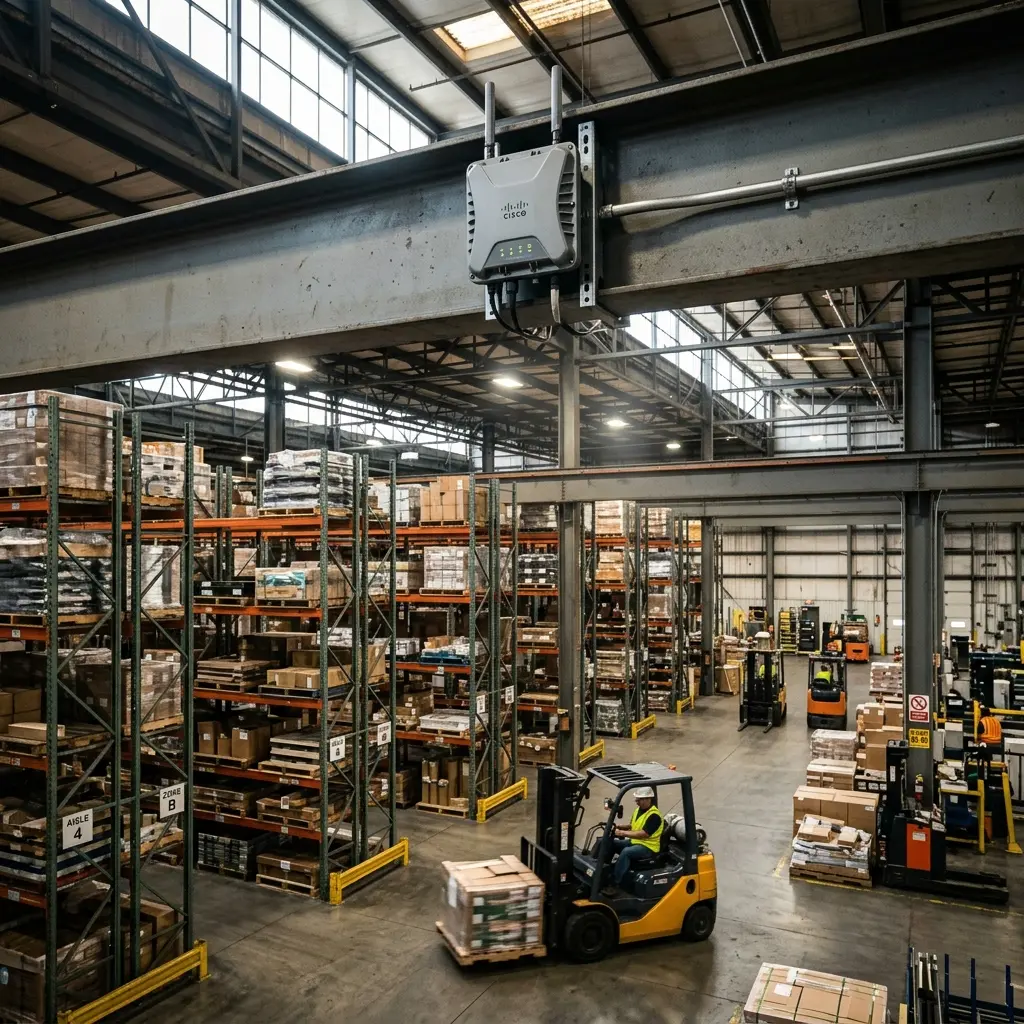
Warehouse security is an essential component of modern business operations, yet many facilities overlook it until a serious incident occurs. Theft, vandalism, and unauthorized access can result in significant financial losses and disrupt daily operations. With the rise of technology, IoT devices, and automated inventory management systems, warehouses must adopt comprehensive security strategies to protect their assets.
The consequences of poor warehouse security extend beyond finances. Operational downtime, damaged reputation, and loss of customer trust can occur from even a single breach. This article will outline the top 10 warehouse security risks and provide actionable steps to prevent them, ensuring warehouses remain secure, efficient, and resilient.
Why Warehouse Security Matters
Warehouse security is essential for protecting your inventory, employees, and business operations from internal and external threats. Without the right safeguards, even a small vulnerability can lead to significant financial loss, operational disruption, and safety risks.
Why It Matters
- Warehouses store high-value goods, making them prime targets for theft, burglary, and organized crime groups seeking easy access to inventory.
- Strong security measures help prevent unauthorized entry, stopping intruders before they reach sensitive storage areas.
- Effective warehouse security reduces inventory shrinkage caused by employee theft, mishandling, and dishonest vendors.
- Security systems such as surveillance cameras, alarms, and motion sensors create real-time visibility, giving managers greater control over daily operations.
- Proper lighting in parking lots, loading docks, and aisles discourages criminal activity and reduces blind spots where incidents often occur.
- Physical barriers like fencing, gates, and controlled-access doors restrict entry to designated personnel only.
- Warehouses often operate around the clock, so layered security ensures that staff working overnight remain safe and protected.
- Access control systems???whether keycards, biometrics, or PIN codes???help monitor who enters or exits the facility and at what time.
- Cybersecurity also plays a role in warehouse security, protecting inventory systems, smart sensors, and connected devices from hacking or manipulation.
- Conducting regular employee training promotes awareness and teaches staff how to identify suspicious behavior or potential security gaps.
- Proper security planning helps avoid operational downtime that can occur after break-ins, vandalism, or equipment damage.
- Insurance claims and premiums can be minimized when strong warehouse security protocols are in place.
- A secure warehouse strengthens trust with clients and suppliers who rely on consistent, protected inventory management.
- Robust security reduces the risk of workplace violence, ensuring a safer environment for every employee.
- Ultimately, warehouse security supports business continuity by safeguarding the assets that keep operations running smoothly.
Top 10 Warehouse Security Risks and How to Prevent Them
Warehouses face a variety of security risks that can disrupt operations, cause financial losses, and compromise employee safety if not properly addressed.
1. Unauthorized Access
Unauthorized access occurs when individuals enter a warehouse without proper clearance, creating risks of theft, sabotage, or safety incidents. Intruders can exploit unsecured entrances, poorly monitored access points, or outdated security measures. Facilities without effective control measures may experience inventory shrinkage or operational disruptions due to untracked personnel movement.
Prevention: Implementing biometric access systems, keycard entry, or smart fobs ensures that only authorized personnel can enter sensitive areas. Visitor management systems provide real-time tracking of guests, while scheduled access audits identify anomalies and gaps in security. Combining these technologies with clear protocols reduces the likelihood of unauthorized access and strengthens overall warehouse security.
2. Insider Theft
Insider theft is a significant threat, as employees, contractors, or temporary staff can take advantage of their knowledge of warehouse operations. Studies show that a large percentage of inventory losses occur due to internal theft, which can go undetected without proper monitoring. Insider threats not only result in financial loss but can also disrupt operational efficiency and compromise customer trust.
Prevention: Surveillance monitoring, role-based access permissions, and regular inventory audits can mitigate this risk. Logging employee access activity and comparing it with inventory movement helps identify suspicious behavior. Encouraging a culture of accountability and providing clear security protocols ensures that staff understand their responsibilities, reducing opportunities for insider theft.
3. Blind Spots in Surveillance
Even with security cameras installed, warehouses often have blind spots that can be exploited by thieves or overlooked during safety inspections. Areas behind high shelving, corners, or storage zones can escape surveillance coverage, leading to unnoticed theft or accidents. Inadequate monitoring of these blind spots can result in repeated security breaches.
Prevention: Using PTZ (pan-tilt-zoom) cameras, strategically placed cameras, and integrating them with alarm systems ensures comprehensive coverage. Remote monitoring allows security teams to respond quickly to suspicious activity. Conducting regular assessments of camera placement can help identify and eliminate blind spots, strengthening overall surveillance.
4. Inadequate Perimeter Security
Weak fences, gates, or open loading docks increase the risk of unauthorized entry. Warehouses with unsecured perimeters are vulnerable to theft, vandalism, and even potential safety hazards for employees and visitors. Criminals often exploit poorly monitored or poorly lit exterior areas to gain access without being detected.
Prevention: Secure fencing, motion-sensor lighting, alarmed entry points, and controlled gate access help fortify the perimeter. Regular inspection of fences, gates, and barriers ensures they remain effective. Combining these measures with security patrols or automated monitoring enhances protection, creating a strong first line of defense against intruders.
5. Cybersecurity Vulnerabilities

Modern warehouses increasingly use IoT devices, scanners, automated systems, and cloud-based inventory management. While these technologies improve efficiency, they also create potential entry points for cyberattacks. Hackers targeting these systems can disrupt operations, steal sensitive data, or manipulate inventory records.
Prevention: Network segmentation, strong passwords, firewalls, and endpoint protection are essential. Employee awareness programs ensure that staff understand phishing and other cyber threats. Integrating physical and digital security measures, such as restricting network access to authorized personnel, provides a comprehensive defense against cyber vulnerabilities.
6. Poor Inventory Management
Untracked or poorly managed inventory can mask theft, loss, or misplacement. Inadequate inventory systems may fail to detect anomalies, making warehouses susceptible to repeated losses. Poor inventory control can also affect operational efficiency, leading to delays in order fulfillment and customer dissatisfaction.
Prevention: Implementing RFID and barcode systems provides real-time tracking of goods. Cycle counts and audits help maintain accurate records, while integrating inventory systems with access logs and surveillance data creates a comprehensive monitoring system. Effective inventory management not only prevents theft but also enhances operational accuracy.
7. Loading Dock Vulnerabilities
Loading docks are critical points of entry for deliveries and shipments but are often under-monitored, making them prime targets for theft or unauthorized access. Tailgating trucks, open dock doors, and unverified drivers can all contribute to security risks.
Prevention: CCTV monitoring at docks, access-controlled entry points, scheduled delivery verification, and procedures to prevent tailgating reduce vulnerabilities. Ensuring dock areas are well-lit and supervised during operational hours enhances security. Combining technology with clear policies strengthens overall dock safety.
8. Natural Disasters & Environmental Threats
Warehouses face risks from fire, flooding, or extreme weather that can damage inventory and disrupt operations. Such events not only cause financial loss but also impact supply chain efficiency. Without proper planning, warehouses remain vulnerable to environmental hazards.
Prevention: Fire suppression systems, smoke detectors, flood sensors, and emergency response plans are essential. Conducting employee drills and creating contingency plans for disaster scenarios ensures preparedness. Environmental monitoring and integrating automated alerts allow rapid response, minimizing potential damage.
9. Lack of Staff Training

Even with advanced technology, poorly trained staff can compromise warehouse security. Employees unaware of proper access protocols or emergency procedures increase the risk of theft, accidents, and operational errors.
Prevention: Conduct security training during onboarding, implement regular refresher courses, and practice emergency response drills. Clear communication of policies and responsibilities ensures employees understand their role in maintaining security. Staff training complements technology, creating a human layer of protection.
10. Weak Physical Security Controls
Outdated locks, doors, and insufficient barriers make warehouses vulnerable to break-ins. Traditional security measures may not meet the demands of modern warehouses storing high-value goods or sensitive materials.
Prevention: Upgrade to smart locks, reinforced doors, and integrate alarms with access control systems. Conduct periodic inspections to ensure physical barriers remain effective. Combining strong physical security with surveillance and access control ensures comprehensive protection.
Final Thoughts
Warehouse security requires a layered approach that combines physical, technological, and procedural measures. Addressing the top 10 risks???from unauthorized access and insider theft to cyber threats and environmental hazards???ensures both assets and operations are fully protected. Comprehensive security safeguards not only inventory but also operational efficiency, staff safety, and business reputation.
Investing in modern access control, surveillance, and monitoring systems provides reliable protection and long-term peace of mind. Efficient Low Voltage Solutions & System Integration offers tailored warehouse security solutions designed to assess vulnerabilities, implement advanced systems, and maintain continuous protection. Contact us today to schedule a warehouse security assessment and safeguard your facility against all potential risks.