Choosing the right location for a data center is a critical decision that can significantly influence performance, security, and operational costs. A poorly chosen site can lead to network latency, higher energy expenses, and even downtime, which can negatively impact business operations. Strategic data center site selection ensures optimal efficiency while supporting long-term growth.
Data center site selection isnt merely about finding available land or buildings; it requires a comprehensive evaluation of multiple factors that influence uptime, scalability, and resilience. Every decision, from proximity to users to environmental risks, has long-term implications on operational performance. By understanding the core elements of choosing a data center site, businesses can make informed decisions that balance cost, security, and efficiency.
The Importance of Data Center Location
The location of a data center directly affects performance. Being closer to end-users reduces network latency and ensures faster data transmission, which is essential for businesses relying on real-time applications or cloud services. Connectivity also plays a vital role in maintaining uninterrupted operations and meeting service-level agreements (SLAs).
Operational costs vary widely based on location. Electricity prices, real estate costs, taxes, and even labor expenses can differ dramatically between regions, making it essential to account for ongoing expenses in the site selection process. Additionally, local incentives or subsidies may offset operational costs, providing a competitive advantage for businesses.
Selecting the right location also helps mitigate risks. Natural disasters, political instability, and local regulations can threaten operations if not properly considered. A strategic site selection process assesses these factors to reduce potential downtime and safeguard critical data.
The Risks of Poor Site Selection
Selecting a suboptimal location for a data center can create significant operational, financial, and regulatory challenges. Recognizing these risks helps businesses avoid costly disruptions and maintain consistent performance.
- Network and latency issues that slow performance, frustrate users, and impact cloud-based applications, video streaming, and real-time analytics.
- Higher operational costs due to unreliable power, frequent outages, insufficient backup systems, or expensive utilities.
- Increased vulnerability to natural disasters, including floods, earthquakes, hurricanes, and other environmental hazards, which can cause downtime and equipment damage.
- Regulatory and compliance risks, such as failure to meet GDPR, HIPAA, or data sovereignty requirements, leading to potential legal penalties and reputational damage.
- Limitations on scalability and expansion if the location cannot support future growth or technology upgrades.
- Challenges in disaster recovery and redundancy planning, which may extend downtime during emergencies.
- Risk to physical and cybersecurity if the site lacks proper infrastructure, surveillance, or protection measures.
Data Center Site Selection: Key Considerations
Choosing the right data center site requires a careful evaluation of multiple operational, financial, and environmental factors. Each consideration plays a critical role in ensuring performance, reliability, and long-term scalability.
1. Connectivity and Network Infrastructure
Connectivity is one of the most crucial aspects of site selection. A data center must have access to high-speed fiber-optic networks to ensure seamless data transfer. Proximity to major internet exchange points (IXPs) reduces latency and improves performance for global and local users.
Redundant network paths are equally essential. By incorporating multiple pathways for internet traffic, businesses can maintain uptime even in case of network failures. A strong network infrastructure is a cornerstone of operational reliability.
2. Power Availability and Energy Costs
Reliable power is a non-negotiable requirement for data centers. Access to scalable power sources ensures the ability to expand operations without disruption.
Energy costs are a significant portion of operational expenses. Evaluating electricity rates and potential incentives from local utilities can result in substantial long-term savings. Additionally, incorporating renewable energy options aligns with sustainability goals and may qualify for government credits or grants.
Businesses should also consider energy-efficient data center designs. Optimizing cooling and power distribution systems not only reduces costs but also supports environmental responsibility. Understanding data center power requirements and energy-efficient data center solutions is essential when evaluating potential locations.
3. Climate and Environmental Risks
Climate impacts both operational efficiency and equipment longevity. High temperatures increase cooling requirements, which can drive up electricity costs. Cooler climates generally reduce energy expenses and support environmentally friendly operations.
Natural disasters must be a top consideration. Floods, earthquakes, hurricanes, and extreme weather events can damage equipment and halt operations. Elevation, drainage, and local flood control measures are critical factors for minimizing these risks.
Proper environmental planning ensures a resilient data center. Integrating data center climate considerations and assessing natural disaster risk helps businesses maintain uptime and protect investments.
4. Security and Regulatory Compliance
Physical security is fundamental. Surveillance systems, fencing, and access controls prevent unauthorized entry and protect sensitive data. Data centers should also implement strict cybersecurity measures to guard against digital threats.
Regulatory compliance cannot be overlooked. Depending on the location, businesses may need to adhere to GDPR, HIPAA, or other industry-specific requirements. Ensuring a site meets these standards from the start avoids costly retrofits and potential legal consequences.
Understanding both data center security factors and regulatory compliance requirements is crucial for safeguarding operations and maintaining customer trust.
5. Scalability and Expansion Potential
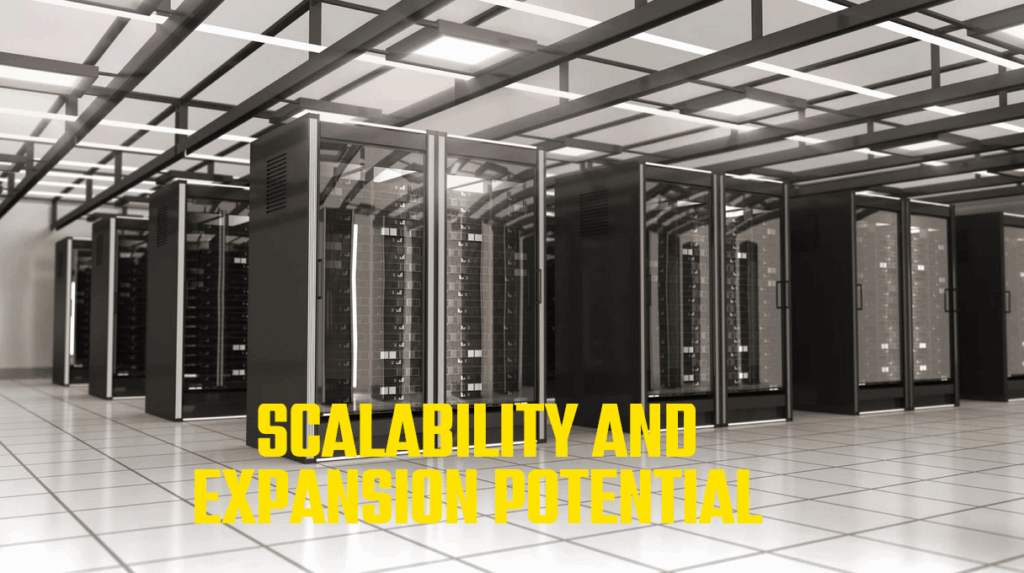
Selecting a site with future growth in mind prevents operational constraints. Availability of additional land or building space enables expansion without relocating, which saves time and costs.
Power and cooling infrastructure should support increased demand. Flexible, modular systems allow data centers to scale operations efficiently as technology evolves. Planning for scalable data center sites ensures a future-proof location capable of accommodating growth and emerging technology needs.
6. Cost Considerations
Real estate and construction costs vary widely across regions. Sites in urban centers may offer connectivity advantages but come with higher prices, while suburban or rural areas may be more affordable yet require enhanced infrastructure.
Operational and maintenance expenses should also be analyzed. Predicting long-term costs for electricity, staffing, and facility management is essential for budgeting. Local incentives, subsidies, or tax credits may offset initial investments, making certain locations more attractive financially.
Businesses must conduct a comprehensive data center site cost analysis to balance affordability with operational efficiency. Choosing an affordable data center location without compromising performance ensures sustainable growth.
7. Community and Workforce Availability
Access to skilled professionals is critical for operating a high-performing data center. IT specialists, facilities managers, and security personnel are necessary for ongoing maintenance and troubleshooting.
Proximity to transportation hubs, urban centers, and thriving business ecosystems enhances operational efficiency. It facilitates faster service, easier logistics, and better collaboration with vendors and clients.
Community support and local partnerships can improve operational outcomes. Engaging with local authorities and organizations ensures compliance and streamlines permits or utility connections. Evaluating data center workforce availability and IT talent near data center sites helps ensure smooth day-to-day operations.
8. Redundancy and Disaster Recovery Planning
A strategic data center location supports disaster recovery. Being close to other data centers allows for efficient backup and failover solutions.
Redundancy planning should include multi-site strategies, power backups, and network failover systems. This ensures uninterrupted service even in catastrophic events. Businesses must prioritize data center redundancy planning and implement robust disaster recovery site selection strategies to minimize risks and protect critical assets.
Case Studies and Examples

Consider a coastal city with excellent connectivity but high flood risk. While latency and network performance are optimal, additional investments in flood defenses and insurance may offset these benefits. Businesses must weigh performance gains against environmental risks.
Inland locations with moderate climates often offer lower energy costs and fewer natural disaster risks. They may not have the same connectivity advantages, but provide long-term stability and cost efficiency.
The key lesson is that there are trade-offs between cost, performance, and risk. A holistic approach that evaluates all factors ensures a balanced decision tailored to specific business needs.
Final Thoughts
Strategic data center site selection is essential for balancing risk, cost, performance, and long-term growth potential. A well-chosen location safeguards operations, supports scalability, and enhances reliability, making it a vital business decision.
Organizations must treat site selection as a strategic priority rather than a logistical task. Investing time in evaluating connectivity, power, environmental risks, and regulatory compliance lays the foundation for a resilient, efficient, and cost-effective data center.
Efficient Low Voltage Solutions & System Integration provides professional support for businesses looking to optimize their data center strategy. From design and implementation to ongoing operational planning, our experts help ensure your site maximizes performance, security, and efficiency.
Reach out to Efficient Low Voltage Solutions & System Integration today to discuss your project and discover how the right location can elevate your data center operations while supporting long-term growth.