As businesses generate more data than ever, having a reliable and efficient IT infrastructure is critical to maintain smooth operations and support growth. Downtime, slow networks, or hardware failures can disrupt services, impact customer trust, and affect revenue. Investing in professional infrastructure ensures that data flows seamlessly and operations remain uninterrupted. This makes choosing the right solution for housing and managing servers a key strategic decision for any organization.
A colocation data center, or colo, is a facility where businesses can rent secure space to store their servers and IT equipment. Instead of managing on-site servers, companies place their hardware in a professionally maintained environment with power, cooling, and connectivity already provided. This approach combines control over your equipment with the reliability of a dedicated data center.
This article will break down what colocation is and how it works. It will also explore the benefits, types, costs, and key considerations to help businesses make informed decisions.
A Professional Overview of Colocation Solutions
At its core, colocation is about outsourcing the physical infrastructure of your data operations while maintaining full control over your servers and software. Businesses continue to own and manage their IT equipment, but the colocation provider handles the supporting environment.
Unlike cloud computing, where resources are shared and virtualized, colocation keeps your physical servers in a secure, professionally maintained facility. This distinction is important: colocation allows businesses to leverage a reliable data center without giving up control of their hardware.
Colocation data centers cater to a wide range of organizations. Startups seeking scalability, enterprises requiring redundancy, and companies with sensitive data that cant reside in the public cloud all benefit from colocation. The solution strikes a balance between cost-efficiency, security, and control, making it a popular choice across industries.
How a Colocation Data Center Works
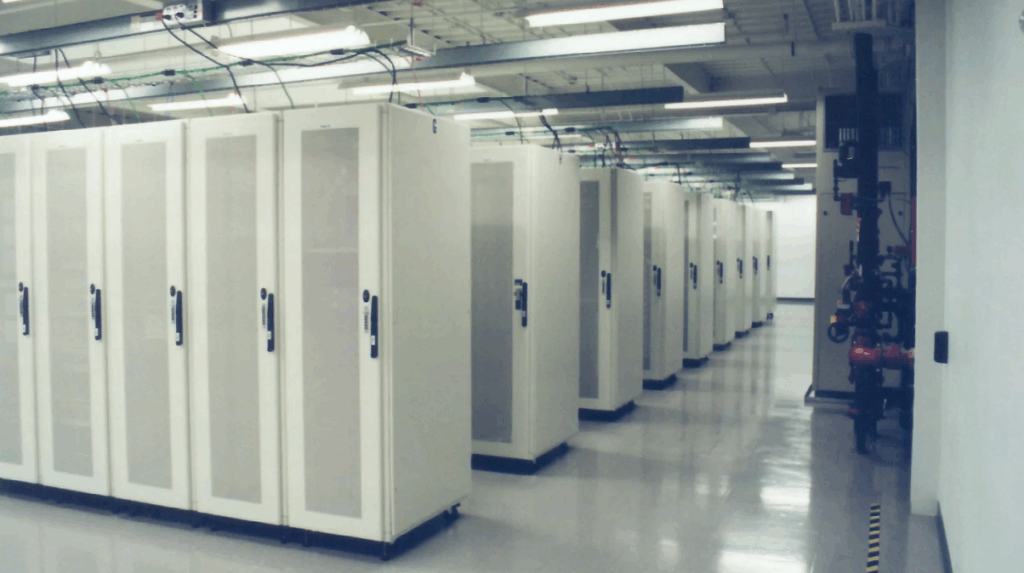
A colocation data center works by providing a fully equipped environment where businesses can deploy their IT infrastructure. Heres a step-by-step breakdown of how it functions:
- Server Placement: Businesses bring their own servers or purchase new hardware to place in the colocation facility. The data center allocates rack space, which could be as small as a single unit (U) or as large as a full cabinet or cage.
- Power and Cooling: Colocation centers provide continuous power, often with redundant backup systems such as uninterruptible power supply (UPS) and generators. Cooling systems maintain optimal temperature and humidity to prevent equipment overheating.
- Network Connectivity: High-speed internet connections with redundancy ensure your servers stay online. Most facilities provide multiple carriers and cross-connect options for additional reliability.
- Security and Monitoring: Physical security measures such as biometric access controls, surveillance cameras, and on-site staff safeguard equipment. Many data centers also offer 24/7 monitoring and support.
- Managed vs. Unmanaged Colocation: Some colocation centers offer fully managed services, handling maintenance, monitoring, and troubleshooting, while others provide only the space and infrastructure, leaving management to the client.
By centralizing infrastructure in a professional environment, businesses reduce the risks associated with on-premises server management, including downtime, hardware failure, and security breaches.
Key Features of a Colocation Data Center
Understanding the features of a colocation facility helps businesses make informed decisions about hosting their critical IT infrastructure. The main features include:
- Physical Security: Access is tightly controlled using biometric scanners, keycards, and on-site personnel. Surveillance cameras monitor all areas to prevent unauthorized access.
- Network Connectivity: High-speed, redundant internet connections ensure minimal downtime and rapid data transmission. Many data centers provide multiple carriers and direct connections to cloud providers.
- Power Supply: Continuous power is guaranteed through UPS systems and backup generators. This redundancy ensures uptime even during power outages.
- Cooling and Environmental Controls: Advanced HVAC systems regulate temperature and humidity, protecting sensitive equipment from overheating and degradation.
- Monitoring and Support: 24/7 technical support and real-time monitoring ensure issues are quickly identified and resolved, keeping operations running smoothly.
These features combine to provide a highly reliable environment for businesses IT infrastructure.
Benefits of Using a Colocation Data Center

Colocation data centers offer a wide range of benefits that make them a compelling option for businesses of all sizes.
1. Reliability and Uptime
Professional data centers are designed for continuous operation, with redundant power, network, and cooling systems that minimize the risk of downtime.
2. Cost-Efficiency
Building and maintaining your own data center is capital-intensive. Colocation allows businesses to share infrastructure costs while avoiding large upfront investments.
3. Scalability
Colocation facilities can accommodate growth. As your business expands, you can easily lease additional rack space, bandwidth, or power without major infrastructure changes.
4. Security
From physical security to network firewalls and monitoring, colocation centers offer multiple layers of protection to safeguard sensitive business data.
5. Focus on Core Business
By outsourcing data center management, IT teams can focus on strategic projects and business innovation rather than maintenance and troubleshooting.
6. Sustainability and Energy Efficiency
Many colocation centers implement energy-efficient systems, including optimized cooling, power usage effectiveness (PUE) measures, and renewable energy integration, helping businesses meet sustainability goals.
These advantages demonstrate why colocation is not just a practical solution but also a strategic investment for long-term business growth.
Types of Colocation Services
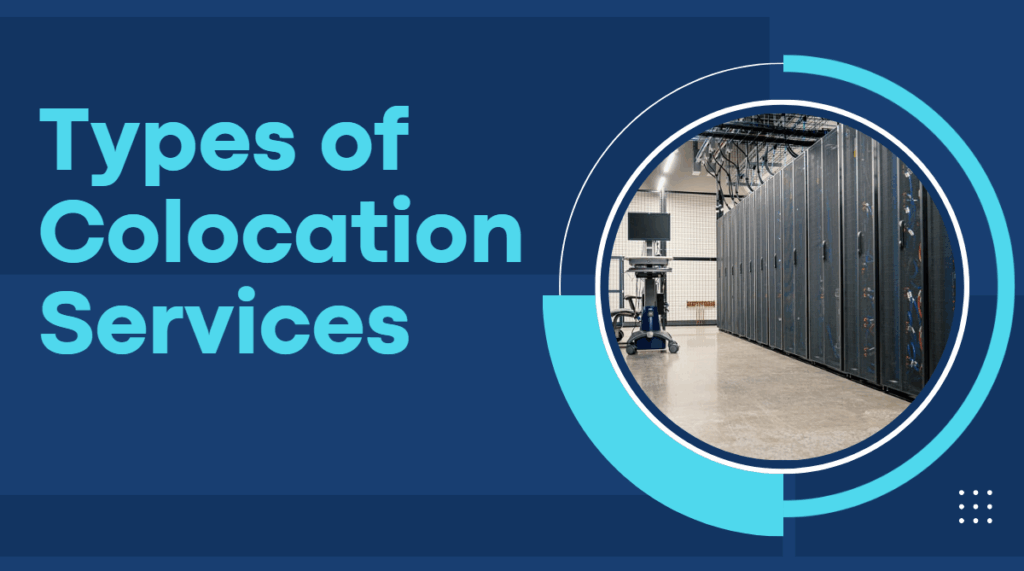
Colocation services can vary depending on the facility and the clients needs. Common types include:
- Retail Colocation: Ideal for small to medium-sized businesses, retail colocation provides a few units of rack space or a single cabinet. Its cost-effective for organizations with modest infrastructure requirements.
- Wholesale Colocation: Designed for larger enterprises, wholesale colocation offers entire racks, cages, or even dedicated suites. This option provides greater flexibility, customization, and privacy for large-scale operations.
- Dedicated vs. Shared Colocation: Dedicated colocation provides exclusive access to racks and resources, while shared colocation means resources may be partially shared among multiple clients. Dedicated colocation offers higher security and control, whereas shared options may be more cost-effective.
Understanding these options allows businesses to select a service that aligns with their technical needs and budget.
Costs and Pricing Models
The cost of colocation varies depending on several factors, including space, power, bandwidth, and support services. Here are the main considerations:
- Space: Typically charged per rack, cabinet, or unit. The more space you need, the higher the cost.
- Power: Pricing is often based on kilowatt consumption. Higher power requirements for intensive workloads can increase costs.
- Bandwidth: The amount of network capacity required affects pricing, with options for higher throughput or redundant connections.
- Support Services: Managed services, remote hands, and technical support can add to the monthly fee.
- Hidden Costs: Some data centers charge extra for cross-connects, migration assistance, or on-demand remote access.
Common pricing models include per rack per month, per cabinet, or per kilowatt per month. While colocation can be expensive upfront, the long-term savings and benefits of reliability, security, and scalability often outweigh the costs.
Considerations When Choosing a Colocation Data Center
Selecting the right colocation provider is critical to ensuring business continuity and security. Key factors to consider include:
1. Location
Proximity to your business, risk of natural disasters, and connectivity options. A strategically located facility reduces latency and operational risks.
2. Security and Compliance
Ensure the provider meets industry standards and certifications, such as ISO 27001, HIPAA, or GDPR, especially if handling sensitive data.
3. Scalability and Flexibility
The data center should allow for easy expansion of space, power, and network resources as your business grows.
4. Support Services
Access to 24/7 technical support, remote hands, and monitoring is essential for smooth operations.
5. Reputation and Reliability
Check uptime guarantees, client reviews, and historical performance to assess reliability.
Evaluating these factors helps ensure that your chosen colocation facility aligns with both operational needs and business goals.
Common Misconceptions About Colocation

Despite its growing popularity, colocation is often misunderstood. Lets address some common misconceptions:
- Colocation is the same as cloud hosting: While cloud services provide virtualized infrastructure, colocation involves placing your physical servers in a professional data center. Colocation gives you more control over hardware and performance.
- Its only for large companies: Colocation is scalable. Retail options make it accessible for small and medium-sized businesses that want secure, professional data infrastructure without huge capital investment.
- Its expensive and inflexible: Although there are costs, colocation offers predictable pricing, long-term savings, and the flexibility to scale resources as your business grows.
Understanding these misconceptions allows businesses to make informed decisions about whether colocation is the right choice.
Closing Thoughts on Optimizing IT Infrastructure
Colocation data centers offer businesses a secure, reliable, and scalable way to house their IT infrastructure while benefiting from redundant power, cooling, network connectivity, and advanced security. These solutions reduce the complexity and cost of managing on-site servers, making colocation a practical choice for organizations of all sizes. By providing flexibility and enhanced uptime, colocation supports both growth and operational efficiency.
We hope this article has given you a clear understanding of how colocation works and its advantages for businesses. Whether you are a startup looking to scale, an enterprise seeking reliability, or a company managing sensitive data, Efficient LowVolt Solutions has the expertise to help you identify the right data center strategy. Making informed decisions about your IT infrastructure is key to long-term success and business continuity.